UX DESIGN
I design digital experiences around real user needs and business objectives
Design Thinking
UX Research
Role
UX Designer
Timeline
Ongoing
team
Multiple
platform
Mobile & Apps

UX Design Process
From Understanding Users to Creating Meaningful Experiences.
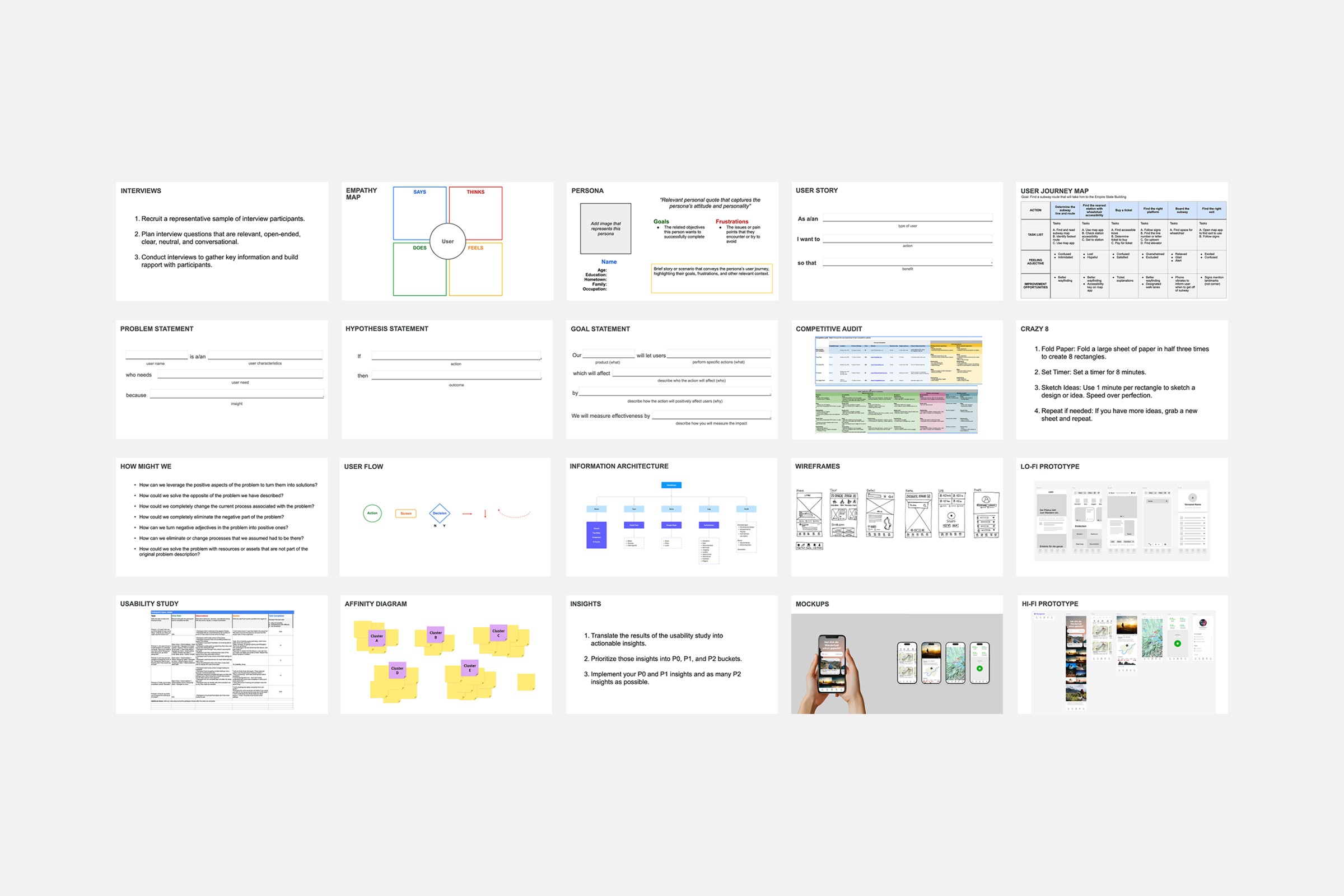
Great UX Design starts with understanding people. My approach follows a five-step, user-centered design process that transforms real user needs into intuitive, functional, and engaging digital experiences.
EMPATHIZE
Understand the Users
Every great experience starts with empathy. Through user interviews, research, personas, empathy maps, and user journeys, I uncover users' needs, behaviors, frustrations, and motivations.
DEFINE
Identify the Problem
Turning research into meaningful insights. I define clear problem statements, user needs, and project goals to ensure that every design decision solves the right problem.
IDEATE
Explore Creative Solutions
From insights to ideas. Using brainstorming, Crazy 8s, user flows, and information architecture, I explore creative solutions and shape intuitive user experiences.
PROTOTYPE
Bring Ideas to Life
Transforming concepts into tangible experiences. From initial wireframes and low-fidelity prototypes to polished mockups and interactive high-fidelity prototypes, I make ideas visible and testable.
TEST
Validate & Improve
Design is an iterative process. Through usability studies, user feedback, and actionable insights, I identify opportunities for improvement and refine solutions to create better experiences.
Information Architecture
Creating Structure for Intuitive Navigation.
A well-structured information architecture is the foundation of a seamless user experience.
For Wanderlust, I organized the app into five key sections: Home, Tour, Map, Log, and Profile. Each section follows a clear hierarchy, helping users effortlessly discover routes, explore maps, track activities, and manage their personal information.
By simplifying navigation and creating logical user paths, I designed a structure that makes the experience intuitive, efficient, and user-centered.

Lo-Fi Wireframing
Turning Structure into User Experiences.
Low-fidelity wireframes transform ideas into clear, functional layouts while focusing on usability rather than visual details.
For Wanderlust, I designed the core screens to explore navigation, content hierarchy, and user interactions. From discovering outdoor activities and exploring routes to viewing maps and managing profiles, each wireframe establishes a simple and intuitive user flow.
This early design stage helps identify usability challenges, refine layouts, and build a solid foundation for high-fidelity prototypes.

Hi-Fi Prototyping
Bringing the User Experience to Life.
High-fidelity prototypes transform wireframes into realistic, visually engaging digital experiences, combining functionality, usability, and visual design.
For Wanderlust, I refined the interface with immersive imagery, intuitive navigation, interactive maps, and detailed route information. Each screen was designed to create a consistent and seamless experience, from discovering outdoor adventures to tracking activities and managing personal preferences.
This stage brings the complete user journey to life, creating an interactive foundation for usability testing, feedback, and final design improvements.

Usability Testing
Testing, Learning & Improving the Experience.
Usability testing helps validate design decisions and ensures that the experience meets real user needs.
For Wanderlust, I focused on evaluating key interactions, including discovering routes, exploring maps, viewing tour details, and tracking outdoor activities. The high-fidelity prototype provides a realistic environment to assess navigation, usability, and overall user experience.
By gathering feedback, identifying potential usability issues, and refining interactions, I can continuously improve the design to create a more intuitive, accessible, and user-centered experience.

My Philosophy
Design with Purpose. Create with Empathy.
Great UX goes beyond aesthetics. It's about understanding people, simplifying complexity, and creating meaningful experiences that feel natural and effortless.
I believe in combining empathy, creativity, and strategic thinking to design intuitive solutions that solve real problems, empower users, and deliver lasting value.
Because great design isn't just seen. It's experienced.
